
28 Nov The Folding Propeller Idea


A sailboat is a sailboat. Two sailboats race.
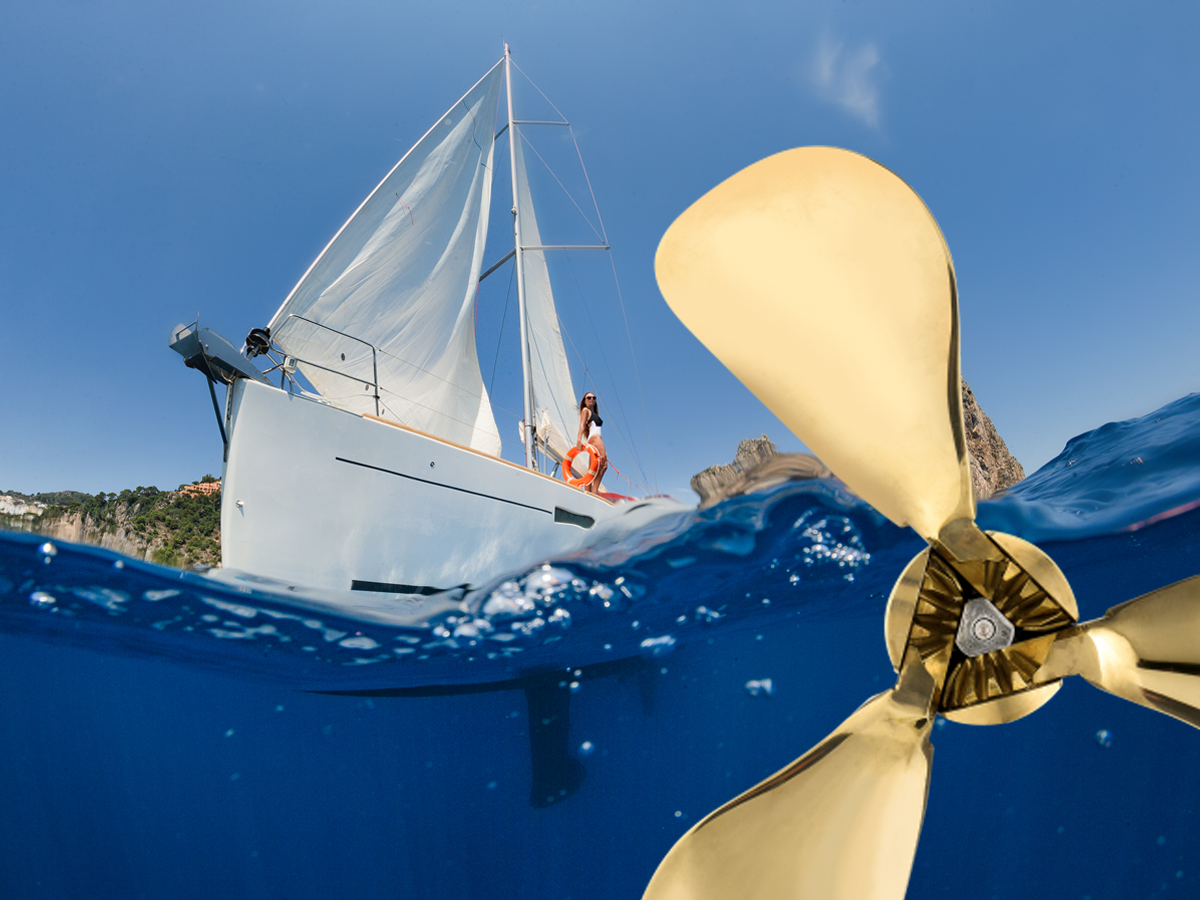
…and if one competitor, despite having a similar yacht, slowly but surely pulls away, the reason may lie beneath the surface of the water. Perhaps the faster yacht carries a small but crucial hydrodynamic advantage: a folding propeller.
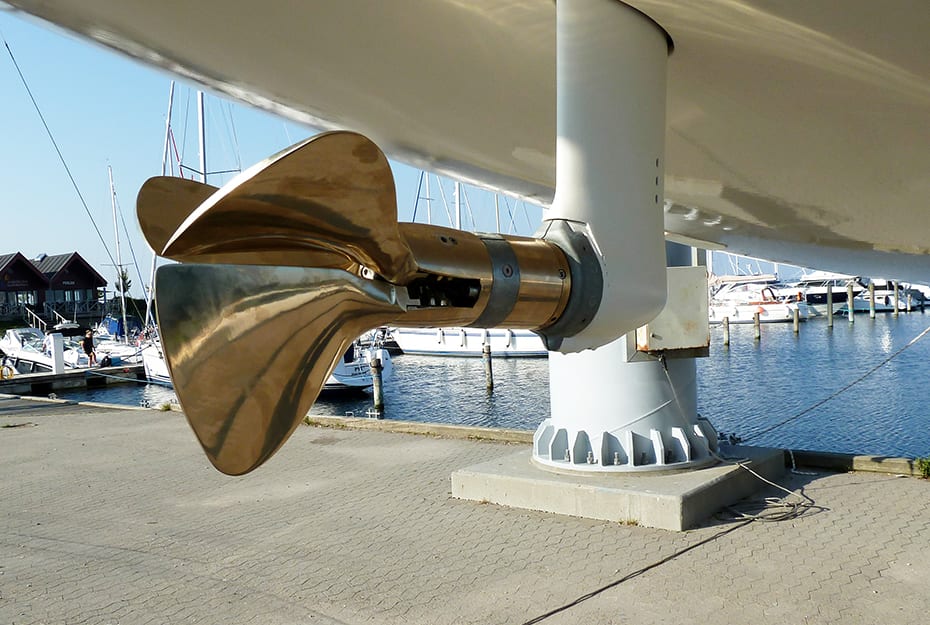
In the early 1970s, Menke, working in Germany, developed one of the first prototypes of the modern folding propeller. This prototype featured an early mechanical design that allowed the blades to close in synchronized motion, offering a technical solution to the drag caused by fixed propellers that slowed sailing yachts. However, Menke’s work was essentially an engineering experiment; it lacked the corporate structure needed to move into stages such as commercial production, patenting, mass casting, and field testing. As a result, the project remained at the level of invention, with no financial or organizational infrastructure to carry it beyond the prototype stage.
Meanwhile, in Denmark, Niels Oluf Ehrenskjöld was closely following the rising interest in “low-drag propellers.” By then, it was well understood that reducing drag would provide a speed advantage for racing yachts, and the growing popularity of lightweight GRP-hulled boats made this need even more apparent. When the first information about Menke’s prototype was published, Ehrenskjöld contacted Menke to learn more about the work. The initial purpose was to explore distribution possibilities; however, once the prototype’s commercial potential was recognized, the conversation quickly shifted toward a full takeover.
The main reason Menke transferred his rights was that the investment and engineering capacity required to commercialize the prototype could not be met under the existing conditions in Germany. Patent registration, mold preparation, durability testing, field validation, and international marketing all demanded significant resources. Menke’s role was primarily that of an “inventor,” and there was no company or fund available to continue the work on a larger scale. Thus, a party capable of expanding the project was needed, and Ehrenskjöld emerged as the right candidate.
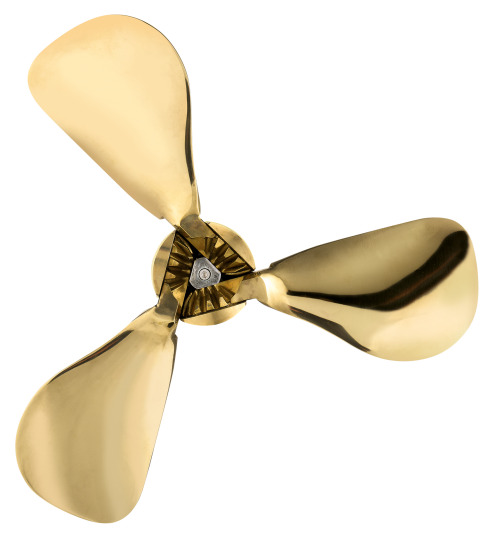
Ehrenskjöld’s advantage lay in his connections with the Danish Maritime Institute (DMI), which gave him access to hydrodynamic analysis, tank testing, and engineering optimization processes. Moreover, the involvement of designer David Lewis—who had worked with Bang & Olufsen—helped elevate the product both technically and aesthetically. What had been a one-man effort in Germany was now evolving into a product redeveloped by a professional engineering and design team in Denmark.
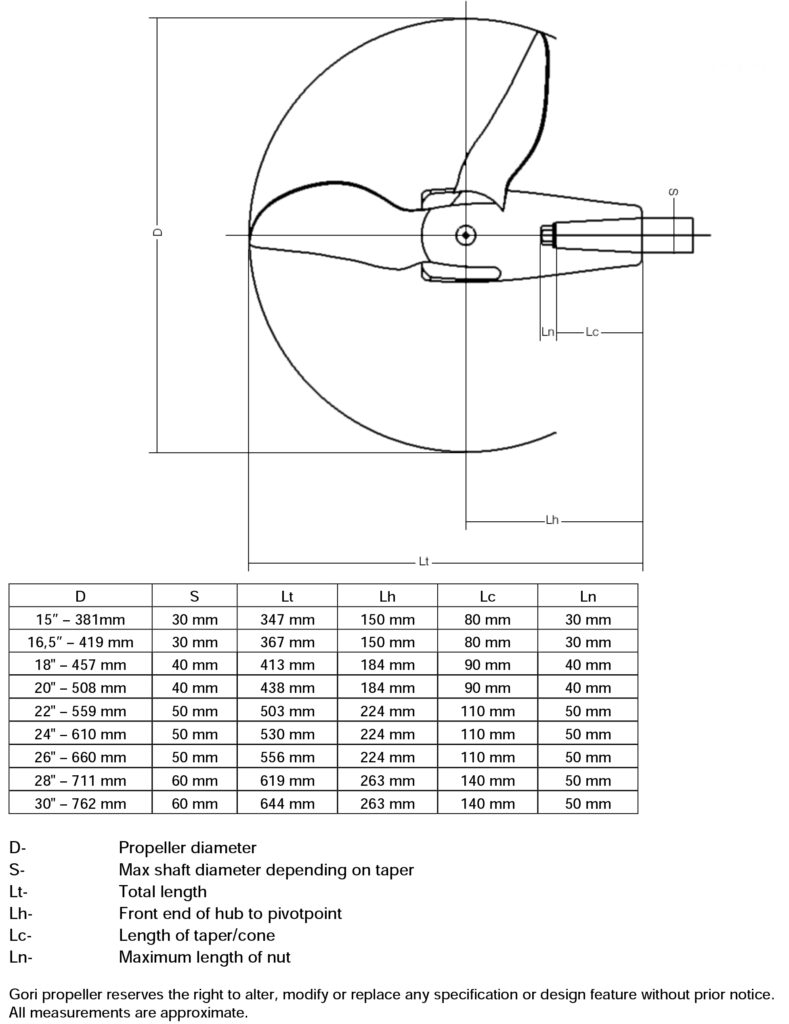
After the takeover, the project was moved to Denmark, the mechanical design was updated, casting standards suitable for mass production were established, and the patent was registered through Ehrenskjöld’s team. These steps transformed the prototype into a commercial product: the birth of the Gori Propeller. In later years, the product won design awards, reached a wide user base, and became the preferred propeller in international races such as the Whitbread. These developments were on a scale Menke could not have achieved alone; therefore, the transfer of the project was both technically and commercially logical.
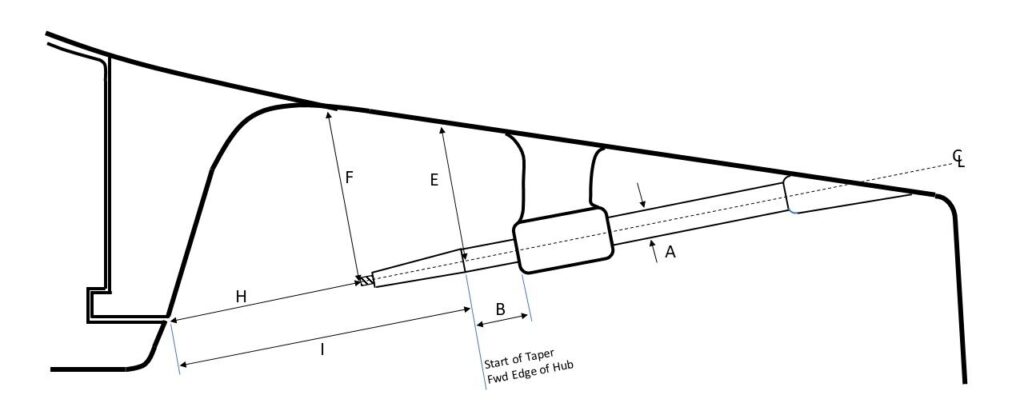
This relationship can be seen as a classic example of an invention passing from inventor to entrepreneur. Menke’s contribution was the initial mechanical concept and prototype, while Ehrenskjöld’s contribution was turning the idea into a product that could be commercialized, standardized, and marketed internationally. There is no record of conflict or intellectual theft between them; rather, the process appears as a natural transfer of invention rights and a transition into professional product development.
In conclusion, Menke handed the project over to Ehrenskjöld because the technical and commercial burden had grown too large to sustain with his own means. Ehrenskjöld, however, had the infrastructure to shoulder this burden and transform the prototype into a real product. Thus, the transfer ensured that the invention did not disappear but instead grew into a globally recognized brand—a pragmatic and mutually rational step.
Oh, by the way, Nathanael Greene Herreshoff (1848–1938) had already sketched the first prototype long before. How did it fail?